
Towing on the Planning Board
A dispatcher walks up to the wall in the office and traces a line from the Canadian border down past the Columbia River, then south through the mountain passes that mark each major change in terrain. An I-5 heavy transport job that runs the full length of the West Coast corridor crosses coastal fog, mountain rain, dry valleys, and high desert in a single trip. Planning to haul a load across that kind of distance is a chain of small decisions stretched across a thousand miles of pavement.
The interstate looks the same on a map, but driving conditions, fuel options, and weather along it change dramatically every few hundred miles. Carriers who plan well know the regions, and they build the plan around the realities of each.
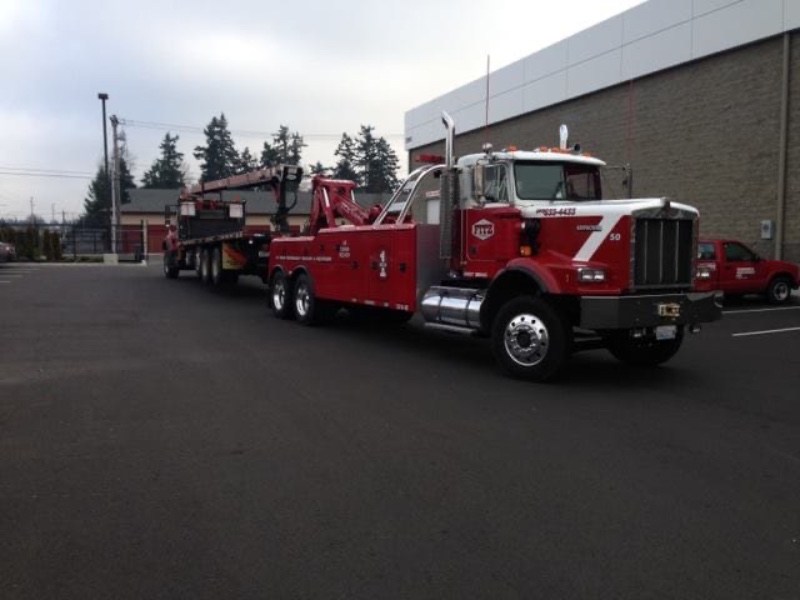
One Corridor, Many Climates
A 6 a.m. departure out of the Puget Sound region can run into morning fog along the Cowlitz River, sunshine south of the Columbia, and afternoon thunderstorms over the Siskiyou Pass by evening. Planners watch regional forecasts as separate weather reports, not as one big system. A storm holding up traffic in Oregon can leave Washington and California untouched.
That weather variability also shifts daylight permit hours. Some states limit oversize-load travel to specific daytime windows, which means the same load might run all day on one side of a state line and only six hours on the other. Planners build the schedule to fit each window.
Stops, Fuel, and Driver Rest
A long corridor run depends on the right stop list. Heavy haul drivers cannot pull into just any truck stop, especially with oversize loads or unusual configurations. A solid stop list includes:
- Truck stops with pull-through access for long rigs
- Fueling locations rated for diesel exhaust fluid and bulk fuel
- Safe overnight parking with security and lighting
- Bathrooms and food within walking distance of the rig
- Scale houses or rest areas where straps can be re-checked
A driver who knows the corridor builds these stops into the trip before pulling out, and dispatchers update the list as construction and seasonal closures shift the available options.
Permits That Reset at Every Border
A single I-5 heavy transport from southern California to the Canadian border crosses state lines four times. Each state requires its own permit, and each office has its own rules about lead times, escort requirements, and travel-hour windows. Coordinators pull the requirements together so nothing arrives late.
State-specific quirks matter too. Some states require pilot cars only above a certain width. Others impose curfews around metro areas. A few have weight-distribution formulas that differ from federal limits. An experienced I-5 heavy transport permits team builds those quirks into the booking conversation up front.
When the Weather Hits One Stretch
Even the best plan meets surprises. A snow event on the Siskiyou Pass can close the route for half a day. Wildfire smoke can drop visibility in late summer. A heavy rain band across the Coast Range can produce standing water on bridge decks. An I-5 heavy transport caught in any of those conditions usually pulls into the nearest safe staging area and waits for the road to reopen.
The dispatcher keeps the customer informed during the hold. Most carriers build a buffer into the schedule for exactly this reason, since one closed pass can shift the whole trip by a day. The carriers that handle long corridors well treat schedule changes as part of the work rather than as exceptions.
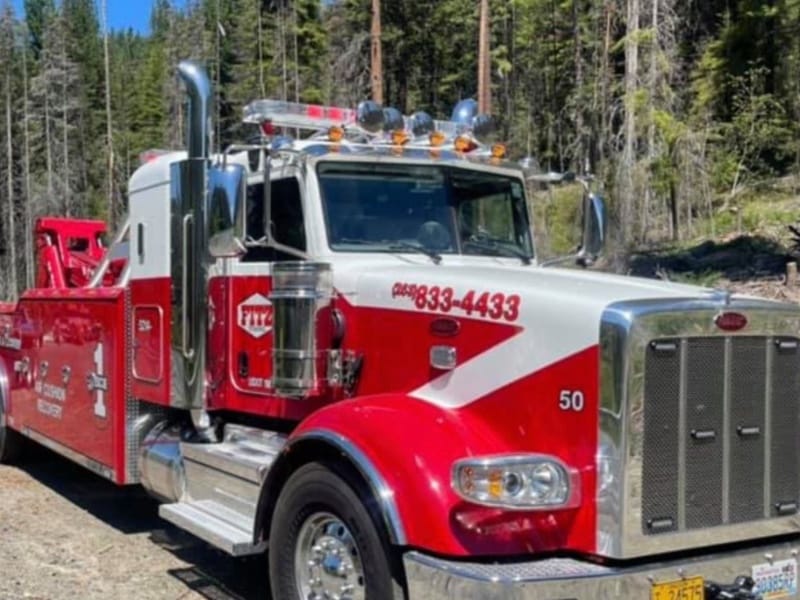
Fitz Towing: I-5 Heavy Transport From Puget Sound and Beyond
At Fitz Towing, every I-5 heavy transport call we plan benefits from nearly a century of work along the corridor. Since 1929, our family-owned operation has served drivers across the Puget Sound region, with a modern fleet that handles everything from compact cars to semis and RVs. Our dispatchers know the corridor, the weather, and the customers who run it.
If you have an I-5 heavy transport on the calendar or a heavy load that needs to move along the West Coast, our team is ready around the clock. We answer the phone, plan the route, and send the right rig. With 24/7 dispatch and decades of experience, we are one call away when the trip needs to happen.
Frequently Asked Questions
How do drivers handle long multi-state runs without exceeding hours of service?
Most long-corridor hauls use team driving, where two drivers swap shifts so the rig keeps moving while the off-duty driver sleeps in the bunk. Solo drivers running long stretches plan their 10-hour rest breaks around safe parking. The dispatcher logs the schedule and flags any approaching cutoffs before they become violations.
What is the Federal Bridge Formula and how does it affect heavy hauls?
The Federal Bridge Formula limits how much weight a truck can carry over a given axle spacing on interstate bridges. It prevents concentrated loads from damaging older spans. Planners use the formula to size the trailer’s axle layout for the load, sometimes adding extra axles to spread weight legally.
Is a heavier-axle truck always better than a longer trailer for spreading weight?
It depends on the load. Adding axles to the tractor or trailer spreads the same weight across more pavement contact, which usually lets a heavier load travel on a wider range of routes. Longer trailers with the same axle count do not help with the Bridge Formula but can carry longer cargo.
Can a heavy haul cross the U.S.-Canada border?
Yes, with the right documentation. Cross-border hauls need customs paperwork, possibly bonded carrier status, and route approvals from both countries. Canadian provinces use a different oversize permit system than U.S. states. Carriers familiar with cross-border work usually have a customs broker as part of their team.
How do carriers prove a load arrived undamaged at the delivery point?
Drivers take photos at loading and unloading, often with the customer or receiver present. Bills of lading note any visible condition issues at pickup, and a clean delivery signature confirms the load arrived in the same condition. Carriers also use dashcams on long runs as additional documentation.
What happens to the cargo if the carrier truck breaks down mid-trip?
The carrier dispatches a backup tractor to swap with the disabled rig. The trailer and load stay with the original driver during the swap, then continue with the new tractor. For longer delays, the customer is updated, and the dispatcher coordinates any timing adjustments with the receiver on the other end.