A Curve Too Sharp and a Load Too High
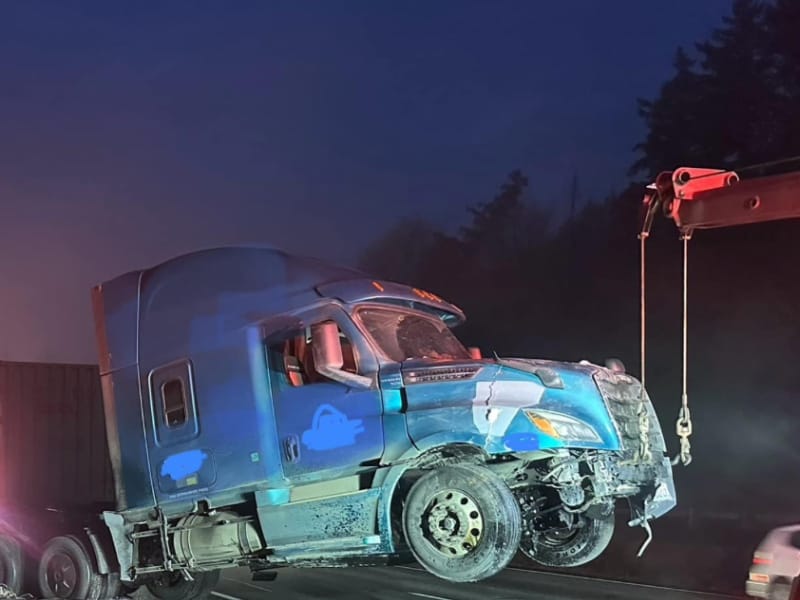
We’ve had calls where the truck barely left the roadway but still ended up on its side. Our stretch of road sees more I-5 heavy recovery work than most folks realize, especially in the early hours when fatigue and speed start mixing in the wrong ways. But rollovers in particular don’t usually come out of nowhere. There’s almost always a chain of small decisions leading up to it. We see it play out the same way across Washington and up through the Pacific Northwest. Same patterns, different trucks.
Speed and Load Shift Are the Usual Culprits
Most drivers know speed is an important factor, but the problem is how it sneaks up on you. A ramp posted at 25 mph feels fine at 40 until the trailer starts to lean. By the time that weight shifts, it’s already too late to correct.
Loads play a bigger role than people admit. We’ve worked jobs where pallets weren’t secured tight, or liquid tanks had too much slosh. Even experienced drivers get caught off guard when the center of gravity moves mid-turn. It doesn’t take much. Just a slight lean, then gravity takes over.
It Happens Fast, Not Gradual
Once a trailer starts tipping, there’s no slow warning. It goes from stable to sideways in a second or two. We’ve seen drivers try to steer out of it, but that often makes it worse by shifting weight even harder.
Fatigue and Familiar Roads Create Risk
Funny thing is, a lot of rollovers happen on routes drivers know well. I-5 especially. Long, straight stretches lull people into a rhythm. Then comes an exit ramp or curve that gets taken a little too casually.
Fatigue plays into that. Early mornings, late nights, long hauls. Reaction time drops just enough to matter. In our I-5 heavy recovery work, we often hear the same comment: “I’ve driven that stretch a hundred times.”
Routine Can Work Against You
Comfort with a road sometimes leads to small shortcuts. Rolling a bit faster. Braking later. Skipping a quick check on the load. Those add up.
Weather and Road Conditions Add Another Layer
Rain doesn’t need to be heavy to cause problems. A light drizzle on I-5 can make ramps slick, especially around industrial areas where oil and grime build up. We’ve pulled more than a few rigs out of muddy shoulders after drivers overcorrected.
Wind is another factor that doesn’t get enough attention. Open trailers and high-sided loads catch gusts harder than people expect. Combine that with speed, and you’re looking at another common I-5 heavy recovery situation.
It’s Not Just Snow That Causes Trouble
People think winter conditions are the main risk, but honestly, we see more rollovers in mild weather with wind or light rain than in full storms.
What Drivers Can Actually Do Differently
This isn’t theory. These are things we see make a difference:
- Slow down earlier than feels necessary on ramps
- Double-check load balance before long runs
- Watch wind advisories, especially in open stretches
- Take breaks before fatigue creeps in
- Treat familiar routes like new ones
None of this is complicated. But skipping one step can lead straight to a rollover and another I-5 heavy recovery call.
Small Adjustments Matter More Than Big Ones
Most drivers don’t need a major change. Just tightening up habits a bit can prevent a bad situation.
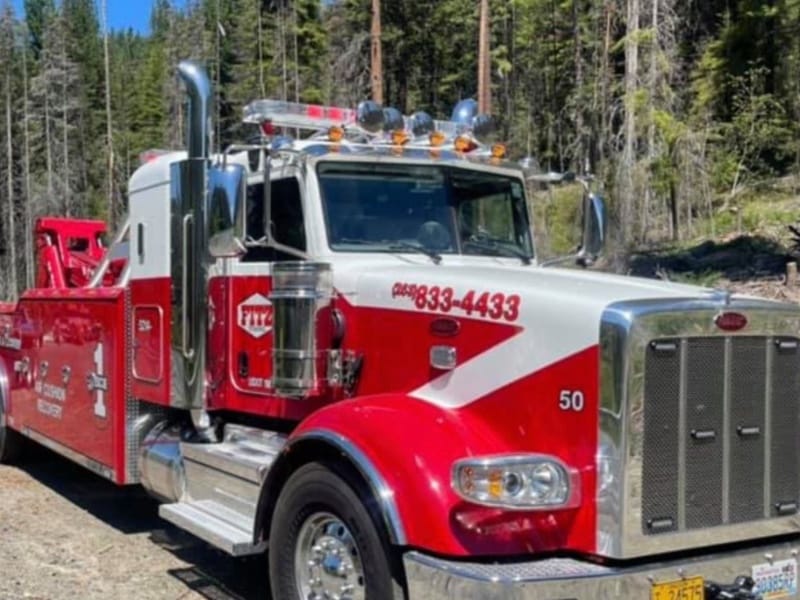
Fitz Towing Delivers the I-5 Heavy Recovery Work Truckers Need
At Fitz Towing, our I-5 heavy recovery jobs usually start with a call about a tipped trailer blocking a lane or sitting in a ditch just off the shoulder. Box trucks, reefers, flatbeds. We’ve seen all kinds. Some are light loads that shifted. Others are fully loaded rigs that take hours to recover.
Our I-5 heavy recovery team spends a lot of time stabilizing trailers before we even start the lift. Sometimes cargo has to be offloaded first. Other times we’re working around traffic with limited space, especially near busy exits. It’s not unusual for a single rollover to tie up a crew for half a day. That stretch of I-5 keeps us busy, especially between Tacoma and Federal Way, where heavy traffic, tight interchanges, and long hauls tend to catch drivers off guard.