Cleared to Help
The scene is chaotic. Imagine a three-car pileup near Auburn Way South just after 5 a.m. Fog had settled low over the road, visibility is low, maybe 180-200 feet. Two lanes blocked. Completely blocked. The Auburn PD already on scene directing traffic around the wreckage. One sedan with front-end damage that can’t roll. A pickup sideways, right across the fog line. A third vehicle, small SUV, had spun into the shoulder with a blown tire and a crumpled quarter panel. Our towing team doesn’t don’t touch anything until speaking to an officer. That’s how Auburn accident recovery works when law enforcement is involved. The scene belongs to them. We handle the vehicles.
Who Runs the Scene
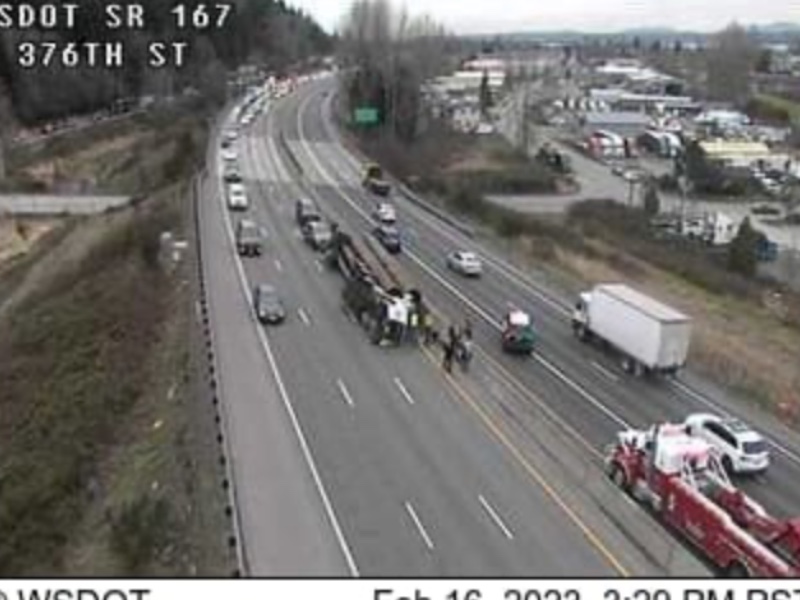
Police and fire crews usually set the order of work at a crash scene. They decide what needs to happen first, which lanes need protection, and when it is time for us to move in. Officers may still be gathering statements, checking registration, taking photos, or deciding where a vehicle needs to go. We do not start loading until the scene lead clears us to work.
That does not mean the towing crew stands there doing nothing. We may help protect the work area with truck positioning, warning lights, cones, or quick vehicle movement when responders want a lane opened faster.
What We Check Before We Load
Damage changes how a vehicle moves, always. A car with a blown tire and bent suspension won’t roll the same as one with front-end damage and a locked steering column. We arrive and walk around the vehicle first. We check for fluid leaks, broken glass, hanging bumpers, and whether the wheels turn. If the drivetrain is locked or the frame is bent, we adjust how we hook it.
We also look at where the vehicle is sitting. Is it blocking the travel lane? Is it on a slope? Is there debris underneath? Auburn Way South has sections with narrow shoulders and heavy commuter traffic. If a vehicle is halfway in the lane during morning rush, we have to load it fast without dragging parts across live traffic. Police usually keep one lane open while we work, but that doesn’t give us much room.
Paperwork Comes First on Impounds
Not every call is a crash. Some Auburn accident recovery jobs involve impounds after arrests, DUI stops, or expired registration. Police decide whether the vehicle gets impounded, and they fill out the paperwork that tells us where it goes. The driver may or may not be allowed to grab belongings before we tow. That decision belongs to the officer.
Heavy Calls Need More Coordination
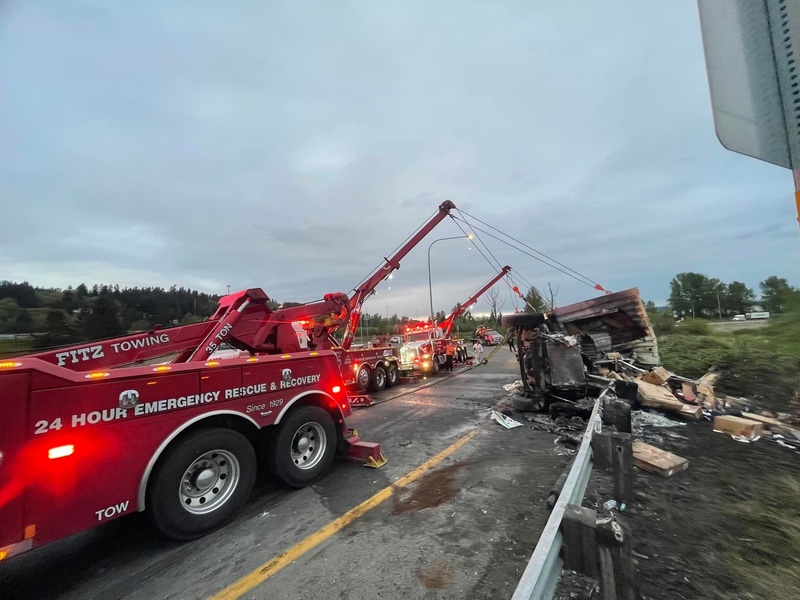
A sedan tow on a side street is straightforward. A box truck rollover on State Route 18 is not. Heavy Auburn accident recovery work brings more agencies, more equipment, and more planning. We’ve worked calls where a semi jackknifed across two lanes and fire had to cut open the cab to check for injuries. Police shut down the highway. We brought in a rotator and coordinated the lift with the incident commander before we touched anything.
Commercial vehicle recoveries take longer because there’s more weight, more damage, and more risk. We have to think about boom angles, rigging points, traffic flow, and where the truck will go after we pull it upright. On State Route 167 or Interstate 5 near Federal Way, those calls can take two hours or more.
Fitz Towing Handles Auburn Accident Recovery With Law Enforcement Partners
Fitz Towing has worked with Auburn PD, Valley Regional Fire, and Washington State Patrol for years. We’ve been a family-owned operation since 1929, and our team knows how to move quickly without stepping on the work police and fire crews are doing. Our Auburn accident recovery service covers everything from single-vehicle crashes on city streets to multi-vehicle pileups on highways near Tacoma, Puyallup, and Lakewood.
We run light-duty rollbacks, medium-duty wreckers, and heavy rotators depending on what the call needs. Our drivers go through background checks and spend hours training on vehicle securement, rigging, and how to work around emergency responders. On Auburn accident recovery calls, we stay in contact with dispatch and the officer on scene from arrival to final drop-off.
FAQs
Can police tow my car without asking me first?
Yes. Officers can order a tow after a crash, DUI arrest, expired tags, or if the vehicle is blocking traffic. The reason for the tow decides where it goes and what paperwork you’ll need to get it back.
Why does the tow truck sit there and not move my car right away?
The truck may be waiting for police to finish their report, take photos, or clear the vehicle for loading. Fire crews might still be cleaning up fuel or checking for hazards. We don’t start until the scene is ready.
Where does my vehicle go after a police tow?
It depends on what the officer decided. It could go to an impound yard, a repair shop, or a storage lot. You’ll need to contact the agency that ordered the tow to find out where it ended up.
Can I get my stuff out of the car before it’s towed?
Sometimes. The officer on scene makes that call based on safety, evidence, and what’s happening with traffic. If they say no, you’ll have to retrieve belongings later at the impound or storage yard.
What paperwork do I need to get my car back after a police tow?
You’ll usually need your driver’s license, proof of ownership, insurance card, and any release form the agency requires. Some impound yards also charge daily storage fees. Calling ahead saves time.
Do tow trucks always show up fast after a crash?
Depends on the call. We aim for 30 minutes or less in most cases, but heavy traffic, weather, or the need for specialized equipment can slow things down. Police may also hold us back until the scene is safe to enter.