Night Moves and Towing Grooves
Things look different once the sun goes down. Roads that feel routine in daylight turn unpredictable. Familiar intersections become shadowy corners, and that buzzing energy of daytime traffic fades into silence interrupted only by flashing hazard lights. That’s when our shift begins. Working the towing night shift is a whole different rhythm. We’re out when most people are in bed, when the roads belong to the late-night commuters, truckers pushing toward their destinations, and the occasional stranded driver who didn’t see trouble coming. As a Kent towing crew, we’ve learned how to navigate the challenges night brings and how to stay sharp, safe, and ready for anything, from flat tires to heavy recovery.
What Makes Night Calls Different from Daytime Work
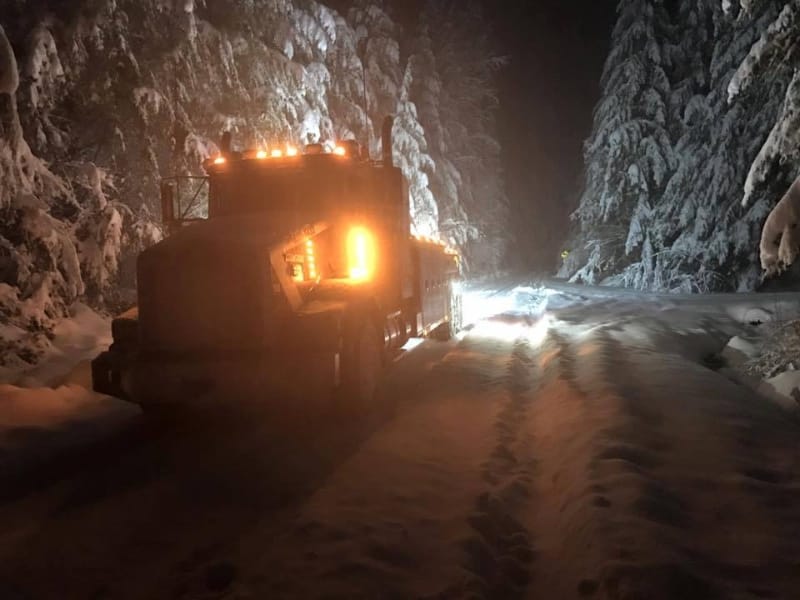
At night, visibility is limited and unpredictability spikes. While daylight hours bring steady calls and routine traffic, the overnight hours bring a different pace and higher stakes.
We face more calls related to drunk driving accidents, breakdowns in isolated areas, and sleepy drivers who misjudge their last stretch of road. We need to be able to make split-second decisions in low light, using headlights and spotlights wisely, and protecting ourselves and the motorists we’re assisting. Every move matters more when the world around you is asleep.
Fatigue also plays a role. Staying alert at 2 a.m. isn’t easy, but it’s part of the job. We rely on each other, check in often, and keep our minds sharp. Caffeine helps, but so does knowing someone out there is waiting for help and we’re the ones bringing it.
Mastering the Tools and Timing
Night towing means mastering the tools of the trade. Our rigs are outfitted for night work with extra lighting, safety gear, and communications equipment to stay in touch no matter how remote the location.
We prep our trucks before sunset. We check winches, inspect tow chains, test lighting, and stock supplies. We can’t afford delays or surprises when we’re on a shoulder in the dark with traffic whipping by. We also wear reflective gear and place cones and flares to protect our workspace.
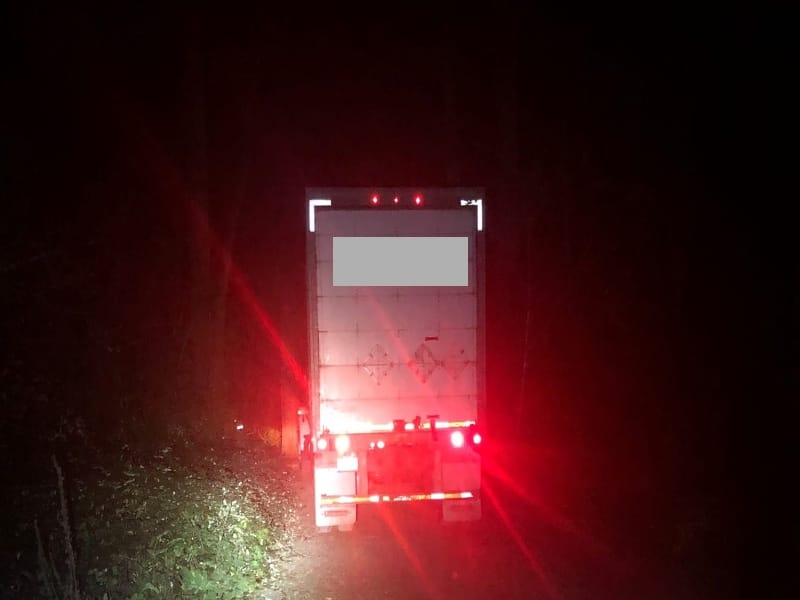
Quick response time is even more critical at night. A stalled vehicle on a poorly lit stretch of highway can be invisible to other drivers until it’s too late. That’s why our Kent towing crew trains hard on nighttime response and positioning. We know how to secure the scene fast and get the vehicle—and its driver—out of harm’s way.
What We Do Differently at Night
- Double up on visibility gear: reflective vests, cones, flares, lights
- Conduct pre-shift safety checks before sundown
- Use a buddy system for check-ins on remote calls
- Prioritize high-risk calls like freeways and accident scenes
- Communicate constantly to dispatch and other tow drivers
People Count on Us in the Dark
Most folks don’t plan to need a tow at midnight. So when we show up, they’re often stressed, cold, tired, or scared. Part of the job is helping them feel a little less alone out there. That means speaking calmly, working fast, and making sure they know what’s happening every step of the way. We’ve changed tires under highway overpasses, winched cars out of ditches, and cleared the scene of a crash before sunrise.
These Kent towing moments might not make headlines, but they matter. Because when your car breaks down in the middle of the night, the most important person in the world is whoever’s coming to help. That’s why we show up ready, every time.
Fitz Towing: Kent Towing Services That Never Sleep
We work when others don’t. At Fitz Towing, we know the night shift comes with challenges, but our Kent towing team is built for it. We’re equipped, trained, and ready to roll the moment we get the call. From 24/7 roadside assistance to accident recovery, we handle it all under the cover of darkness, six times a night or more, if that’s what it takes.
If you’re searching for dependable Kent towing, especially after dark, we’re the ones to call. Our night crew knows these roads, knows the risks, and knows how to get you out of a bad situation fast.
Kent towing doesn’t stop when the day ends and neither do we. When the city gets quiet, we go to work.
FAQ
What do tow truck drivers do during night shifts?
They respond to late-night breakdowns, accidents, and emergency calls, often in low-visibility or high-risk situations.
Is towing at night more dangerous than during the day?
Yes, reduced visibility, drowsy drivers, and fewer people on the road can make night towing riskier and more unpredictable.
How do towing crews stay alert overnight?
They rely on shift rotations, caffeine, check-ins with dispatch, and experience to stay focused during long, late hours.
Do tow trucks carry extra equipment for nighttime calls?
Yes, night rigs often include enhanced lighting, reflective gear, cones, flares, and additional safety tools.
Can towing companies help with non-emergencies at night?
Absolutely. They handle everything from breakdowns to transport needs regardless of the hour.
How fast can a tow truck arrive late at night?
Response times vary but night crews might prioritize speed due to the added risks of nighttime roadside situations.